Free government phone coverage across the United States
Lifeline is a federal program active in all 50 states, Washington D.C., and U.S. territories — but the specific carriers, free-device offers, and plan details available to you depend on where you live. Search or browse below, then check your state.
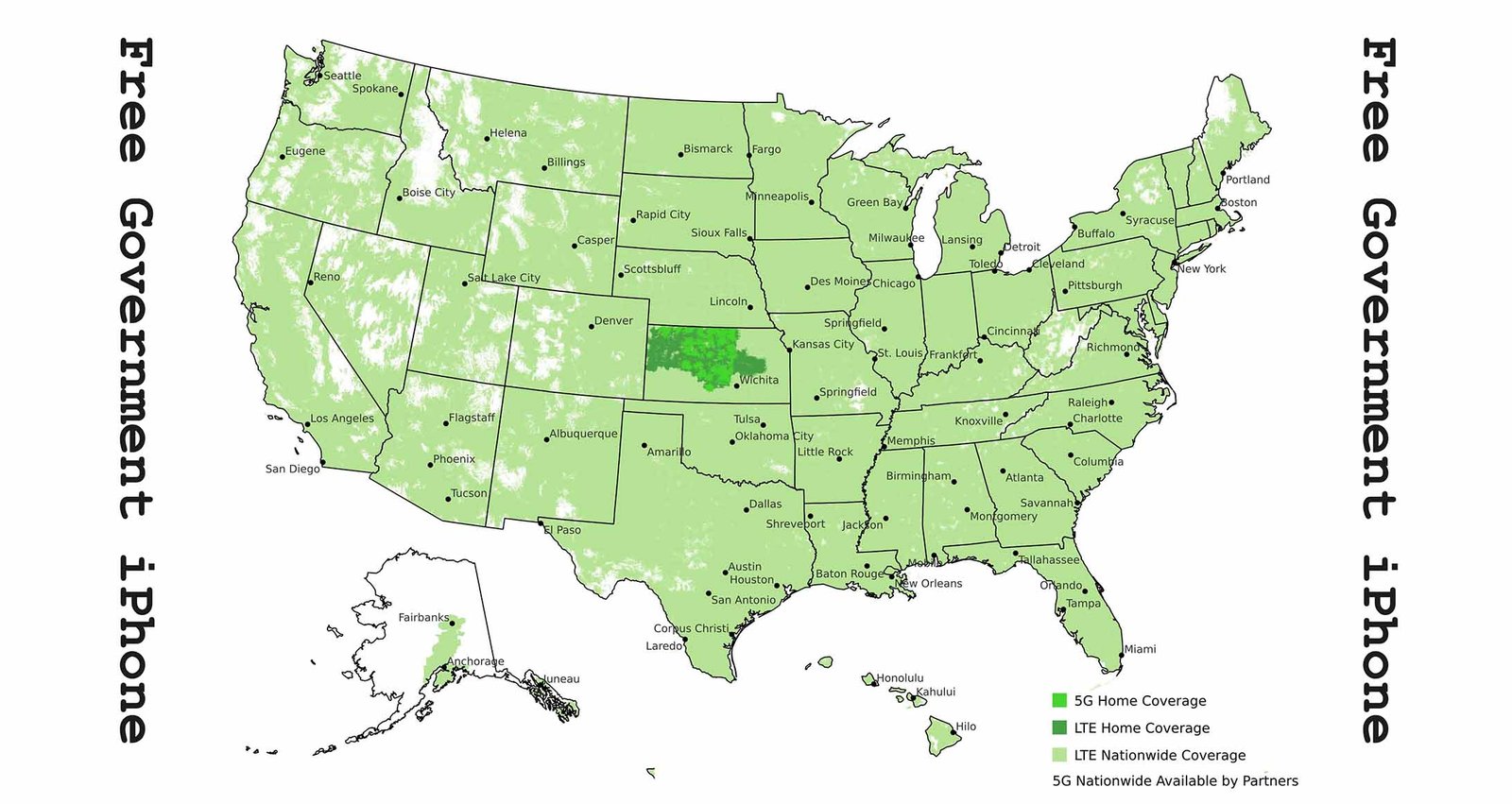
Why coverage isn't identical from state to state
Lifeline is a federal program, but most of the day-to-day administration runs through the National Lifeline Accountability Database (NLAD), managed by USAC. Two states — Oregon and Texas — opt out of NLAD and run their own state-level verification systems instead, which is why application steps can look slightly different if you live in either state.
On top of that federal layer, several states run their own additional low-cost phone programs with their own rules — California LifeLine is the best-known example, with its own income threshold and provider list layered on top of federal Lifeline. A handful of other states have smaller supplemental programs. This is the main reason "coverage" isn't just a yes/no answer — it's really three questions: does federal Lifeline reach you, does your state run a supplemental program, and which carriers actually serve your ZIP code.
Three layers of coverage
Federal Lifeline
Active in all 50 states, D.C., and U.S. territories, administered through NLAD (or state systems in OR/TX).
State-specific programs
Some states, like California, layer their own program with different limits and providers on top of federal Lifeline.
Carrier footprint
Even within an eligible state, only carriers with towers or MVNO agreements reaching your ZIP code can actually serve you.
Quick ZIP code check
Get a general availability read for your area, then confirm details on the state page below.
Browse all states
Coverage snapshot
A simple visual of relative Lifeline carrier density by region — more carriers generally means more device and plan choice, not necessarily better service.